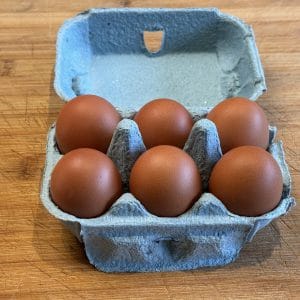

Big news from Scandinavia: Sweden has officially said goodbye to battery hens. After years of campaigning and industry change, every last cage has now been emptied. That means all Swedish hens can stretch their wings, scratch in the dirt, and live more natural lives.
How They Did It
Back in the late 80s, Sweden set the stage with a law aiming to end cages, but progress stalled. Instead of giving up, campaigners kept up the pressure. Retailers and restaurants pledged to go cage-free, municipalities stopped buying cage eggs, and consumers made their voices heard. Slowly but surely, cages were phased out until finally… none remain.
What About the UK?
Here in Britain, the old “battery cage” system was banned in 2012 – but so-called “enriched” cages are still legal. These give hens a little more space and a perch, but they’re still cages all the same. Right now, around 35–40% of UK eggs still come from caged systems.
The good news? Most supermarkets have pledged to sell only cage-free eggs by the end of 2025. But as Sweden shows, those promises need to stick – and ideally be backed up by law to stop any back-tracking.
Beyond Cage-Free
Cage-free is a huge step forward, but it’s not the end of the journey. Many hens in cage-free systems are still kept indoors, with limited access to natural light or space to roam. That’s why pasture-raised systems – where hens can truly range across open fields – are gaining attention. Pasture-raised hens enjoy fresh air, grass under their feet, and the freedom to scratch, peck, and dust bathe in a way that’s far closer to their natural behaviour.
For consumers, pasture-raised eggs aren’t just about welfare – they’re about quality. Happier hens lay tastier eggs with richer yolks, and the difference is clear on the plate.
A Lesson from Sweden
Sweden’s story shows what’s possible when consumers, campaigners, and industry pull in the same direction. Change can happen faster than we think -but it only lasts if it’s locked in by law.
Here in the UK, moving away from cages is the next step. But looking ahead, supporting pasture-raised farms could be the way we go beyond “good enough” – towards giving hens the kind of life they were meant to live.